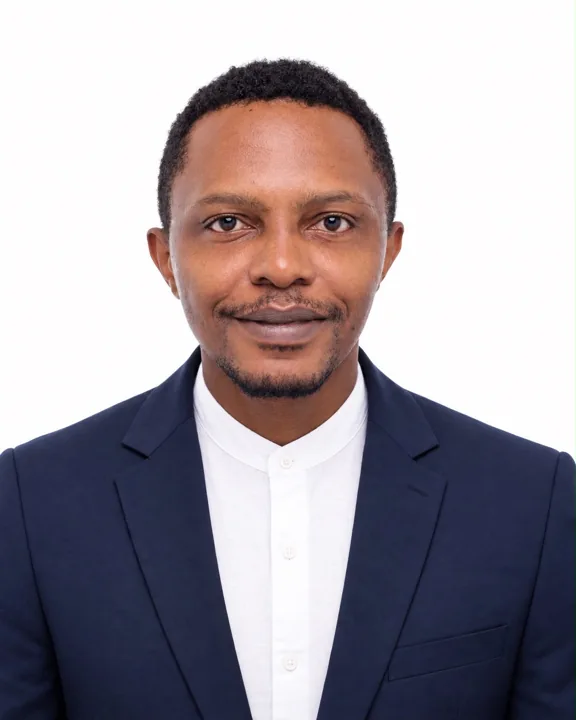
CO-FOUNDER
Yazidi Mugabe
Yazidi builds relationships across Uganda and Taiwan, identifying opportunities and connecting Ohm with prospective buyers, suppliers and project owners. Originally from Uganda, he is now based in Taiwan.
 Ohm
OhmWe want the systems we help build to remain useful as technologies and communities change. Our starting point is practical: connect East Africa and Taiwan through trade, equipment and infrastructure that people can maintain.
Start a conversation
Two co-founders based in Taiwan, bringing different backgrounds to a shared East Africa–Taiwan focus.
Yazidi builds relationships across Uganda and Taiwan, identifying opportunities and connecting Ohm with prospective buyers, suppliers and project owners. Originally from Uganda, he is now based in Taiwan.
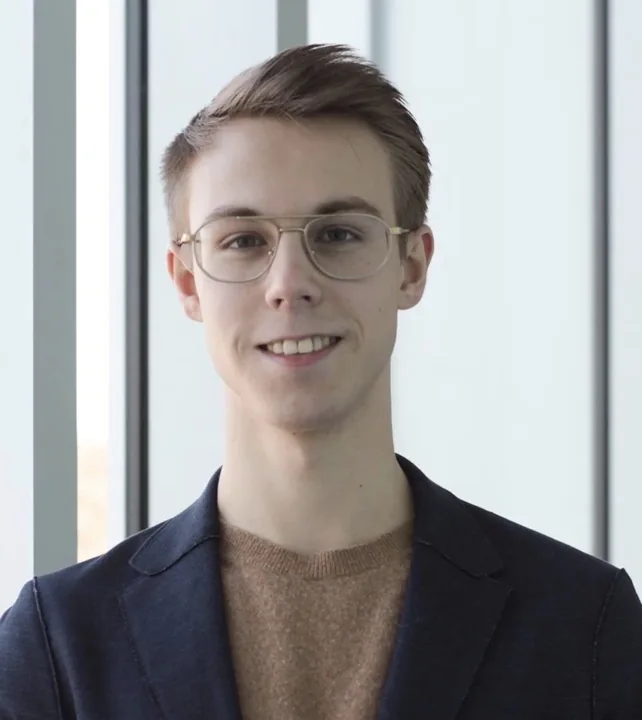
Arron focuses on commercial development, documentation and project planning, turning ideas and enquiries into clear requirements, proposals and next steps. Originally from Canada, he is now based in Taiwan.
We cannot know which technologies or institutions will exist centuries from now. But energy will obey physical laws, infrastructure will need maintenance, and each generation will inherit the systems built before it. Ohm uses these realities as design tests.

Prices and contracts do not create energy, materials or food. Start with what is actually there: available energy, local materials, system losses and the limits of the environment.

Our long-term research asks whether verified surplus energy could support new forms of exchange. Any claim should remain connected to what is physically available, including the losses that occur in storage and delivery.

Energy and technology should help communities do more for themselves. That may mean cleaner water, better food processing, stronger local industry or more reliable services. Projects should also leave behind the skills needed to operate, maintain and repair what has been built.

No organisation should become impossible to replace. Knowledge should be shared, decisions should be open to scrutiny, and there should be clear ways to challenge poor performance or replace a failing operator.

Ownership brings responsibility. Maintenance, environmental care and succession should be considered from the beginning, so that useful systems can be handed on in good condition.

Today’s batteries, software and institutions will not last forever. The purpose should remain clear, while the methods are allowed to change as better tools, better evidence and better ways of working emerge.
Our early work on coffee, water and machinery is where we begin testing these ideas against costs, maintenance and local needs. Start small, measure honestly and change what does not work.
Build institutions that can change their tools without abandoning their purpose.
Bring a project, a capability or a question that could move the work forward.

Scan to add Ohm on LINE, or use the message link above.